TCO (Total Cost Ownership)
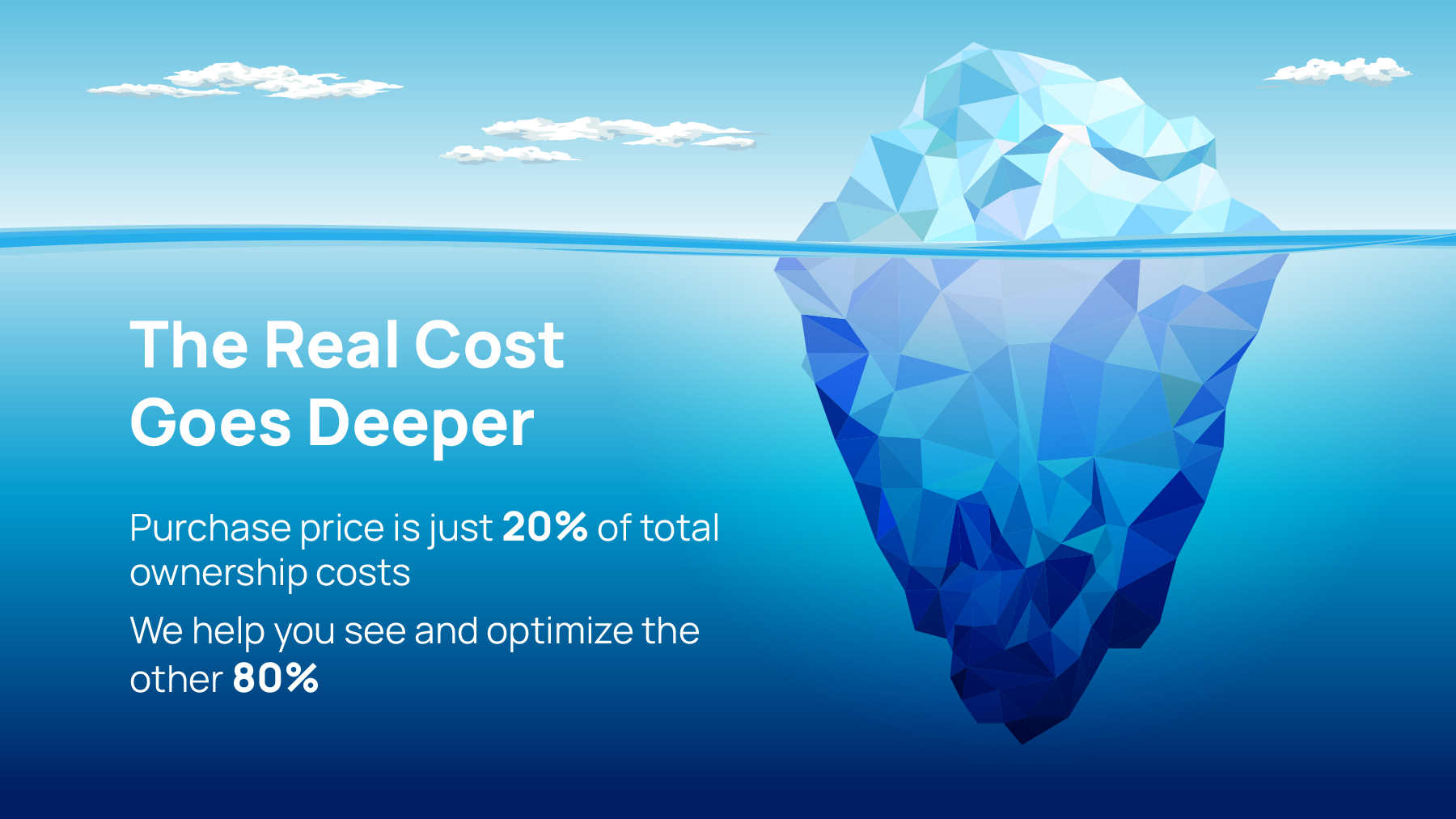
VISIBLE COST:
Proof of Concept represents the initial development and testing costs to validate feasibility. This includes prototype development, testing equipment, and early-stage validation efforts that help determine whether a project is worth pursuing. We help reduce POC cost with our Off the Shelf products, which reduce time spent in engineering product and accelerate your path to market validation.
Bill of Materials (BOM) encompasses direct material costs including components, raw materials, and purchased parts. This is typically the most visible cost component in any project and often receives the most attention during initial budgeting. Competitors often tempt customers with lower BOM costs, but focusing solely on upfront material expenses ignores the much larger costs that emerge later from using low-quality materials, including increased failure rates and high failure costs where product failures could result in costly injuries.
HIDDEN COST:
Technology Selection involves costs associated with evaluating, selecting, and licensing appropriate technologies. This includes research and development expenses, technology assessments, and integration planning that often span months or even years before implementation begins. We help you select the right technology for your application, reducing costly trial-and-error cycles and ensuring your chosen solution aligns with both current requirements and future scalability needs.
Regulation and Certification covers compliance costs including testing, documentation, regulatory submissions, and certification fees. These expenses are required to meet industry standards and legal requirements, and can vary significantly depending on the industry and target markets. Our qualification program helps ensure your product is compliant, eliminating the need to source and coordinate with third-party compliance companies, which saves both time and reduces the complexity of navigating regulatory requirements.
Validation encompasses extensive testing and validation processes to ensure the product meets specifications. This includes reliability standards and performance requirements across various conditions, which often requires specialized equipment and significant time investment. We have an extensive validation program that rigorously tests products under real-world conditions, giving you confidence in product performance and reducing the risk of costly failures in the field.
Supply Chain & FATP costs are often hidden expenses that persist throughout the product's manufacturing lifecycle, including logistics, inventory, and assembly line setup, as well as tariffs and duties on importing components or finished goods to the U.S. Implementing BABAA (Build America, Buy America Act) requirements can further shift these costs, potentially lowering tariff cost through domestic assembly or raising expenses if U.S.-based materials and labor carry a higher premium, depending on how the transition is planned.
Risk Management and Safety includes insurance, safety testing, liability coverage, and risk mitigation strategies. These risks often carry hidden costs that surface only after a failure occurs, whether through recalls, downtime, or liability claims, but extensive validation can prevent much of these costs before it materializes. We offer a PPAP (Production Part Approval Process) for every component of a subsystem to catch potential failures before they occur, ensuring consistent quality and minimizing safety risks throughout production.
Failure Opportunity Cost represents lost revenue and market opportunities due to delays, failures, or quality issues. This includes warranty costs, recalls, and damage to brand reputation, which can have long-lasting financial impacts beyond immediate repair costs. Extensive validation upfront helps prevent this hidden cost by catching potential failures before products reach the market, protecting both revenue and brand reputation over the long term.
MRO Cost covers Maintenance, Repair, and Operations expenses throughout the product lifecycle. This includes spare parts, service infrastructure, and ongoing technical support that extends well beyond the initial sale. We offer MRO consultancy and can provide product MRO parts upon request for jointly developed projects, ensuring long-term support and minimizing downtime throughout your product's operational life.
Bottom Line: The visible costs typically represent only 10-20% of the total cost of ownership. The hidden costs below the waterline often account for 80-90% of true project costs and are frequently underestimated in initial planning phases.